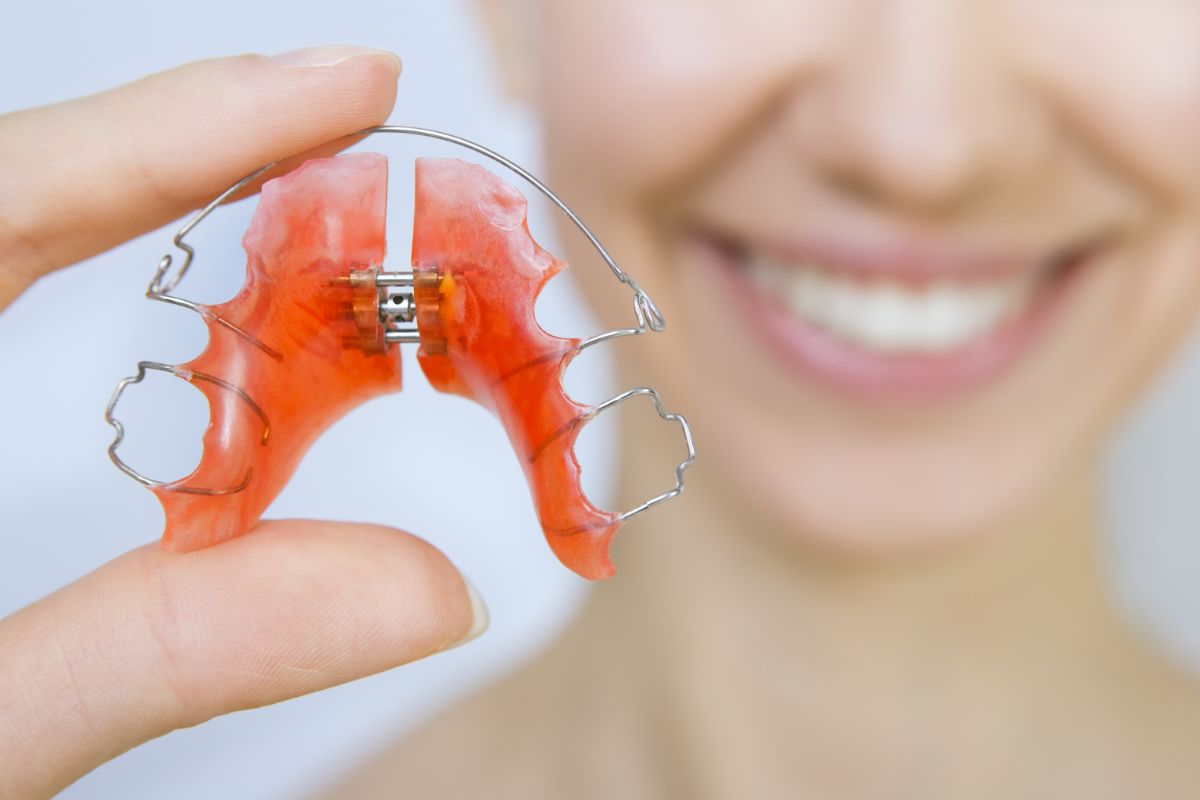
Hearing that you or your child needs a jaw widened with an appliance can sound worse than it is. A palatal expander is a common, well understood orthodontic tool, and once you know what it does the whole thing feels a lot less intimidating. Our team at Wiesemann Orthodontics treats patients across Bowling Green, Russellville, Portland and White House, and this guide walks through what an expander is, how it works, who needs one and what to expect.
What is a palatal expander?
A palatal expander is an orthodontic appliance that gently widens the upper jaw to create more room in a narrow palate. It works by applying steady, gradual pressure that guides the two halves of the upper jaw slightly apart, which the body then fills in with new bone. It is used most often in kids and teens whose jaws are still growing.
The reason it works so well in younger patients comes down to how the upper jaw develops. It grows in two pieces that do not fully fuse until around puberty. Before that fusion, an expander can guide the two halves apart to make space, then hold them there while new bone forms in the gap. Dr. Ryan Wiesemann uses this window to correct a narrow jaw and set up a healthier bite.
How a palatal expander works
Each expander is custom made from a digital scan of your upper jaw and teeth. That scan goes to a lab, which builds an appliance that fits the roof of your mouth. Most expanders have two halves joined in the middle by a small screw. You will get a special key and a simple schedule for turning that screw a tiny amount at a time. Each turn adds a little pressure, and over the following weeks the jaw widens. Once it reaches the right width, the appliance stays in a while longer so the new bone can settle and hold.
Types of palatal expanders
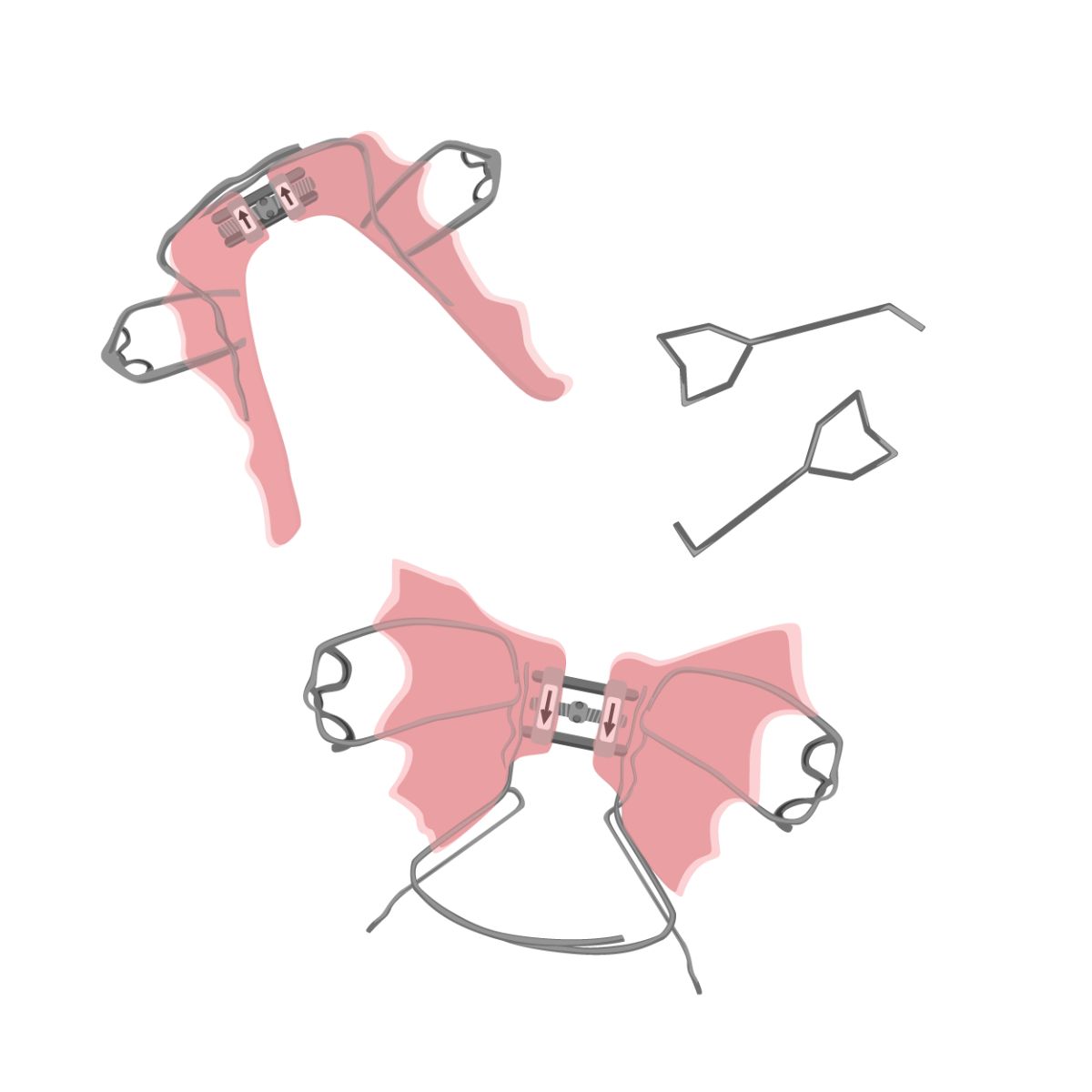
There are a few kinds of expander, and the right one depends on how much correction is needed. Some are fixed to the teeth and some are removable, but all of them are custom fit to the shape of your palate.
Fixed expander (rapid palatal expander)
The fixed expander, often called a rapid palatal expander or RPE, is the most common type. It uses bands attached to the back molars, connected by a screw across the roof of the mouth. Because it is cemented in place, there is nothing to remember and nothing to lose. You simply turn the screw on the schedule we give you. This is the go to for most cases that need real widening.
Removable expander
For minor correction, a removable expander may be enough. It looks a lot like a retainer with a screw in the center and needs to be worn close to 24 hours a day to work. Cases that only need a small amount of widening are often good candidates for this option.
Who needs a palatal expander?
An expander is used when the upper jaw is too narrow. A narrow palate can crowd the teeth, block permanent teeth from coming in properly, and in some cases contribute to jaw and head pain or breathing problems during sleep. Correcting it early can fix those issues and prevent bigger ones later.
A few common reasons we recommend one:
- A crossbite, where the upper teeth bite inside the lower teeth
- Crowding, where there is not enough room for teeth to come in straight
- Impacted teeth that need space to erupt
- A narrow upper jaw that affects the bite or facial balance
Timing matters. Before puberty the bones are still soft and growing, so treatment is faster and more comfortable. Adults can still benefit from an expander, but it usually takes longer and comes with a bit more discomfort, and some adult cases need a different approach. This is one reason the American Association of Orthodontists suggests a first orthodontic check around age seven, so a narrow jaw can be caught while it is easy to correct. It ties in closely with early interceptive treatment.
What to expect
An expander sounds more intense than it feels. Turning the screw creates pressure rather than sharp pain, and that feeling usually fades within a few minutes. Like braces, it takes a few days to get used to. Your tongue will notice the appliance, and speaking, chewing and swallowing can feel a little off at first, but that settles quickly and most people around you will not notice a thing.
One thing that surprises patients is a gap that can open between the upper front teeth during treatment. That space is normal and a sign the expander is doing its job. It usually closes on its own. To keep everything on track, brush and floss well and steer clear of chewy, sticky and hard foods that could damage the appliance.
Are there alternatives?
An expander is not the answer for every case. Sometimes traditional braces are the better route, and more severe situations may call for jaw surgery or removing crowded or impacted teeth. The only way to know what fits your situation is an exam. Whatever the path, we will lay it out for you clearly.

Widen your options and your smile
If you think you or your child might need an expander, or you just want a straight answer about the bite, the best first step is to come see us. We will take a look, explain what is going on in plain terms and walk you through your options with no pressure. Schedule your free consultation and we will take it from there.
Palatal expander FAQs
Do palatal expanders hurt?
Not really. Turning the screw creates a feeling of pressure rather than sharp pain, and it usually fades within a few minutes. The first few days take some getting used to as your tongue adjusts to the appliance, but most patients settle in quickly.
How long do you wear a palatal expander?
The active widening usually takes a few weeks of small daily adjustments. After that, the expander stays in place for several months so new bone can form and stabilize. Your orthodontist will give you a timeline based on how much correction is needed.
Why is there a gap between my front teeth?
A space that opens between the upper front teeth during treatment is normal and shows the expander is working. It usually closes on its own as treatment continues, and any remaining alignment can be handled in the next phase of care.
Can adults use a palatal expander?
Yes, though it works best in kids and teens whose jaws are still growing. Adults can still benefit, but treatment usually takes longer and comes with a bit more discomfort. Some adult cases need a different approach, which we can go over at a consultation.
How do I take care of an expander?
Brush and floss well to keep the appliance and your teeth clean, and avoid chewy, sticky and hard foods that could damage it. Turn the screw exactly on the schedule you are given, and call us if anything feels loose or off.